


Kimoto Sake. Tradition, Technique, and Unmatched Depth
Kimoto is one of the oldest and most demanding methods used in sake brewing. It traces back centuries and still stands as a symbol of craftsmanship. Brewers who choose this path commit to time, precision, and manual effort. The payoff is a sake with character that modern shortcuts struggle to create.
What Makes Kimoto Unique
Most sake today relies on simplified yeast starter techniques. These reduce the manual work needed to create a healthy fermentation. Kimoto rejects shortcuts. It relies on natural lactic acid bacteria to protect the mash. Brewers mix rice, koji, water, and yeast by hand using giant poles. They grind the mixture into a smooth paste. This step is called yama-oroshi. It demands strength and careful attention.
Natural lactic acid takes longer to build up. This creates an environment where yeast thrives and wild microbes fail. The result is a fermentation that develops slowly and deeply.
The Science Behind the Flavor
The long process shapes the final profile. Kimoto sakes tend to have higher acidity. They develop savory layers of umami and earth. These flavors come from the gradual breakdown of rice proteins and complex microbial interactions. Nothing is rushed. The sake evolves its personality over time.
The acidity does more than lift flavor. It improves stability when gently heated. This makes Kimoto an ideal choice for warming. Heat unlocks richer aromas. Think notes of nuts, cereal, dried fruits, or a subtle lactic tang.
How to Enjoy Kimoto
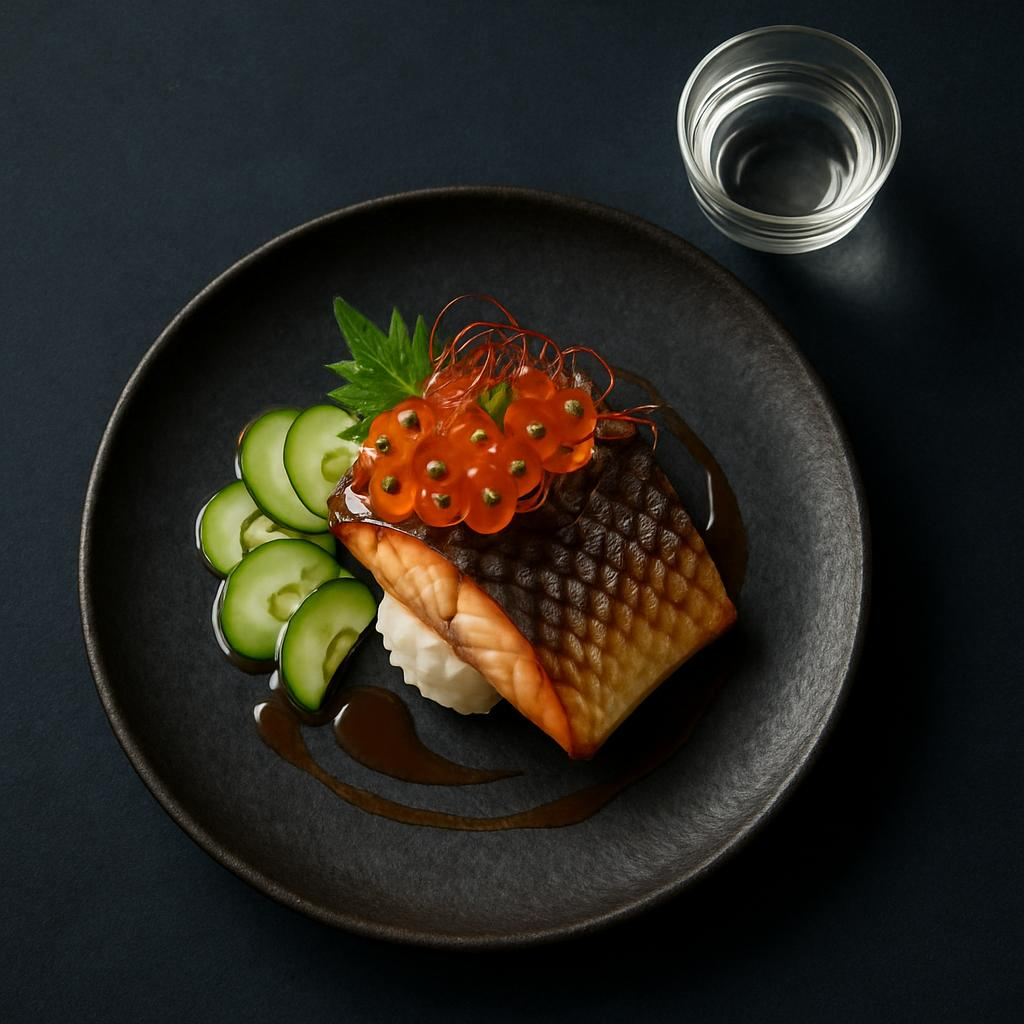
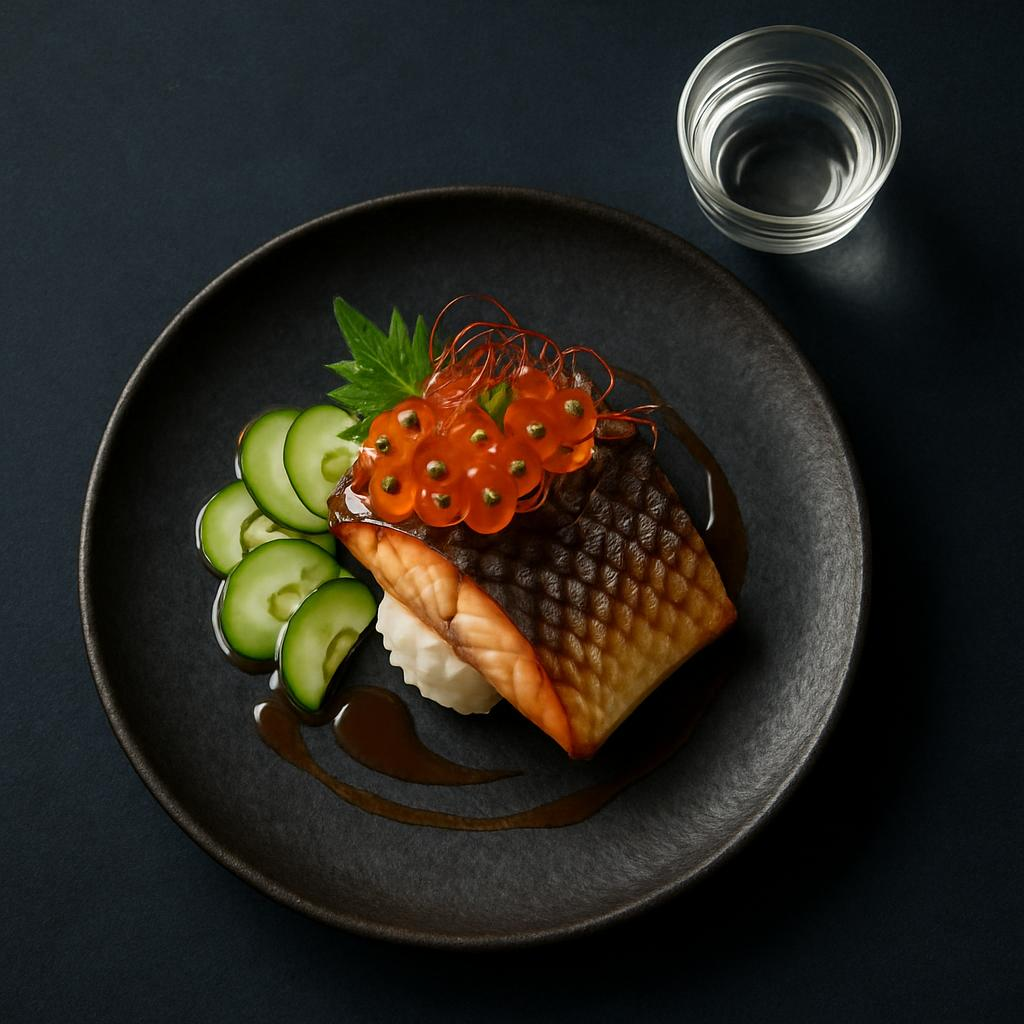
Serve slightly warm for full expression. Start around 40–45°C. Use a ceramic cup to hold heat longer and soften edges. Taste slowly. Notice how the acidity and umami shift as the temperature drops. Pair with dishes that match its weight. Grilled mushrooms. Aged cheese. Rich broths.
Kimoto invites you to slow down. It asks you to appreciate the complexity earned through effort.