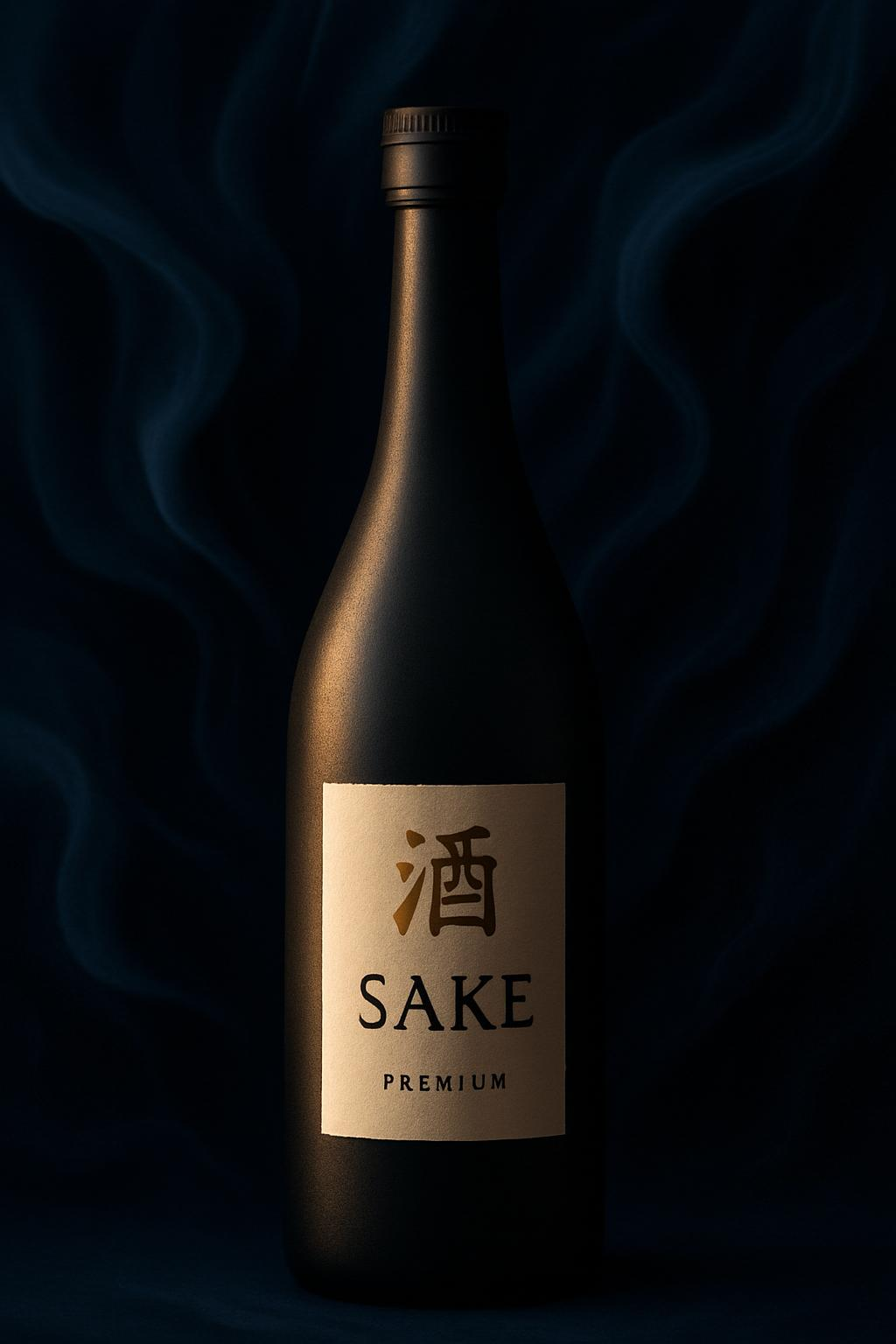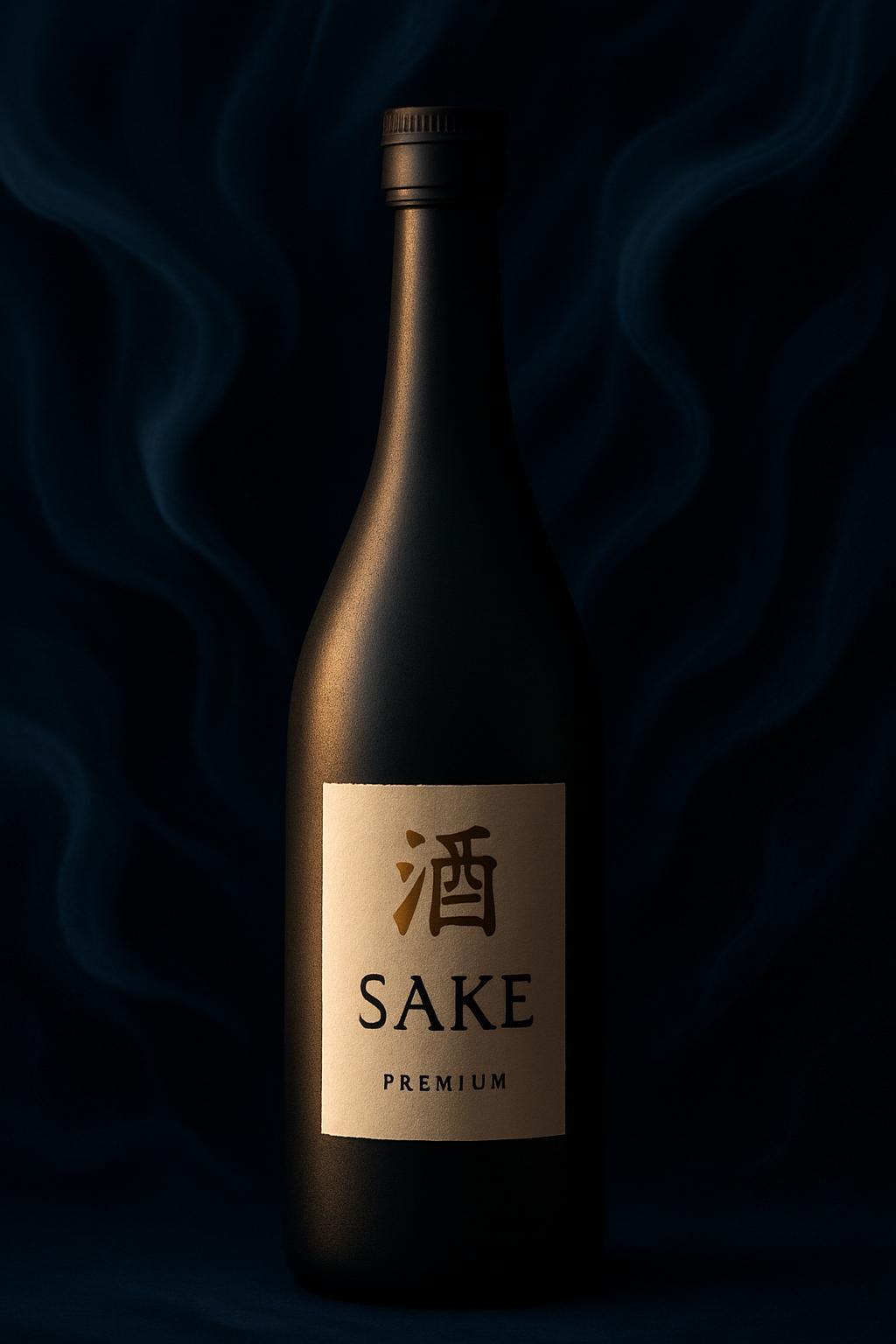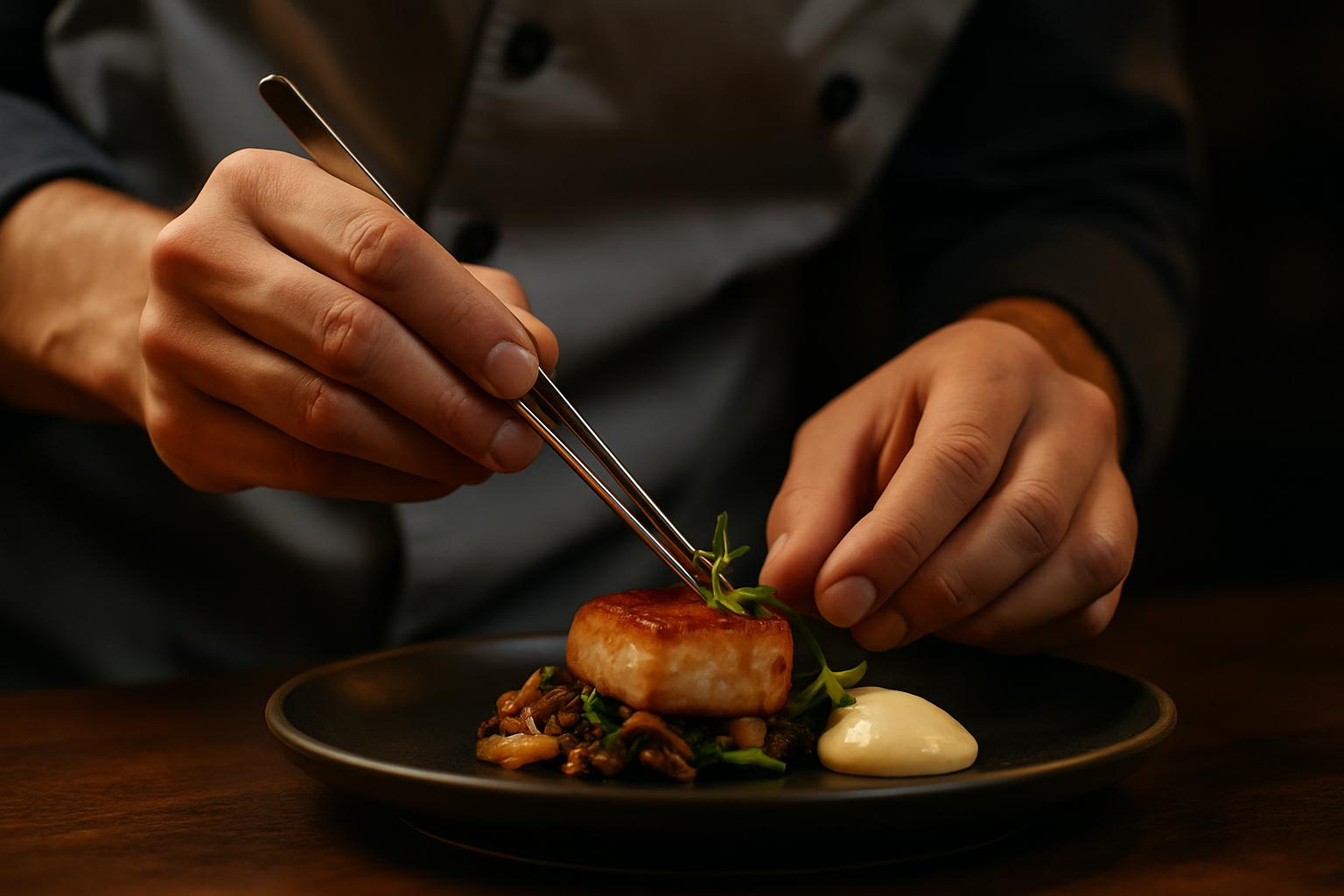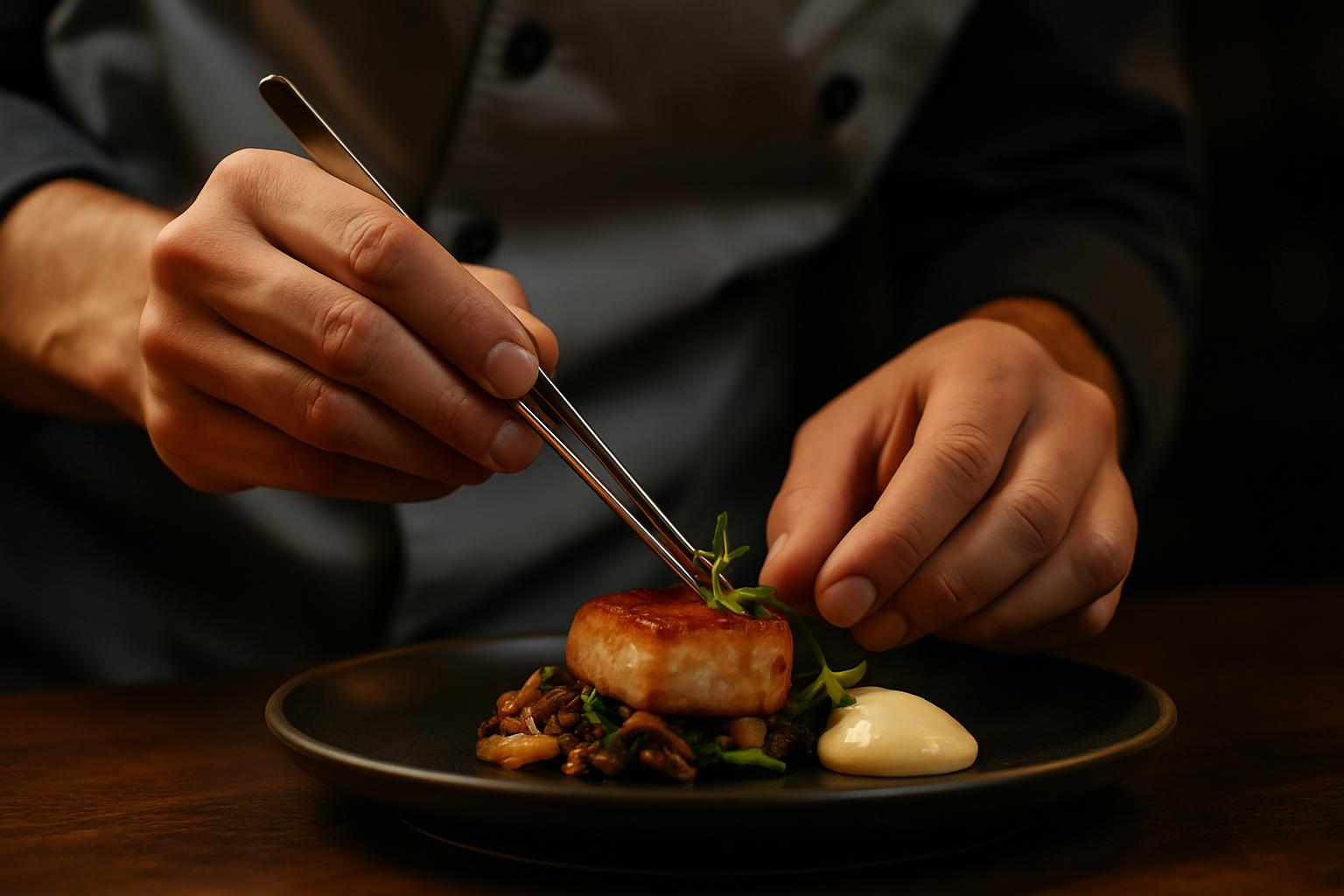


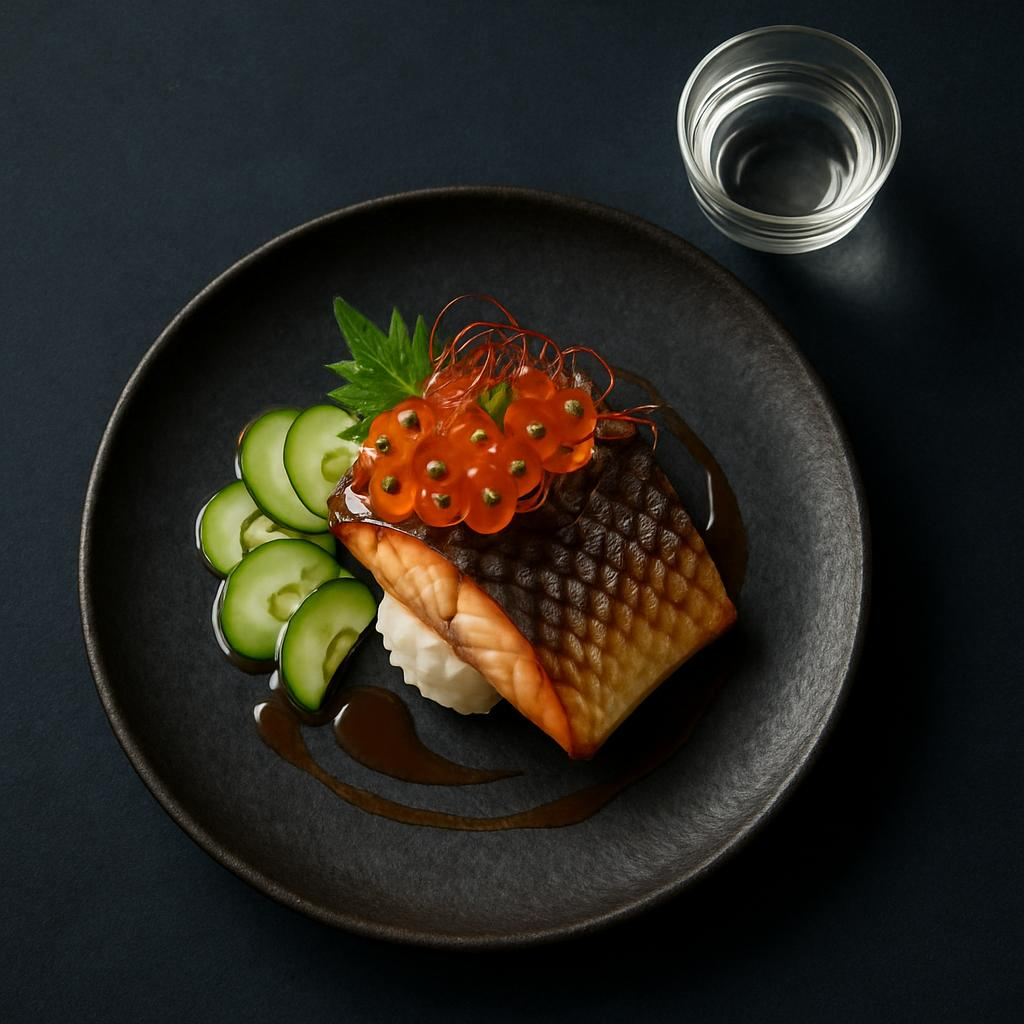
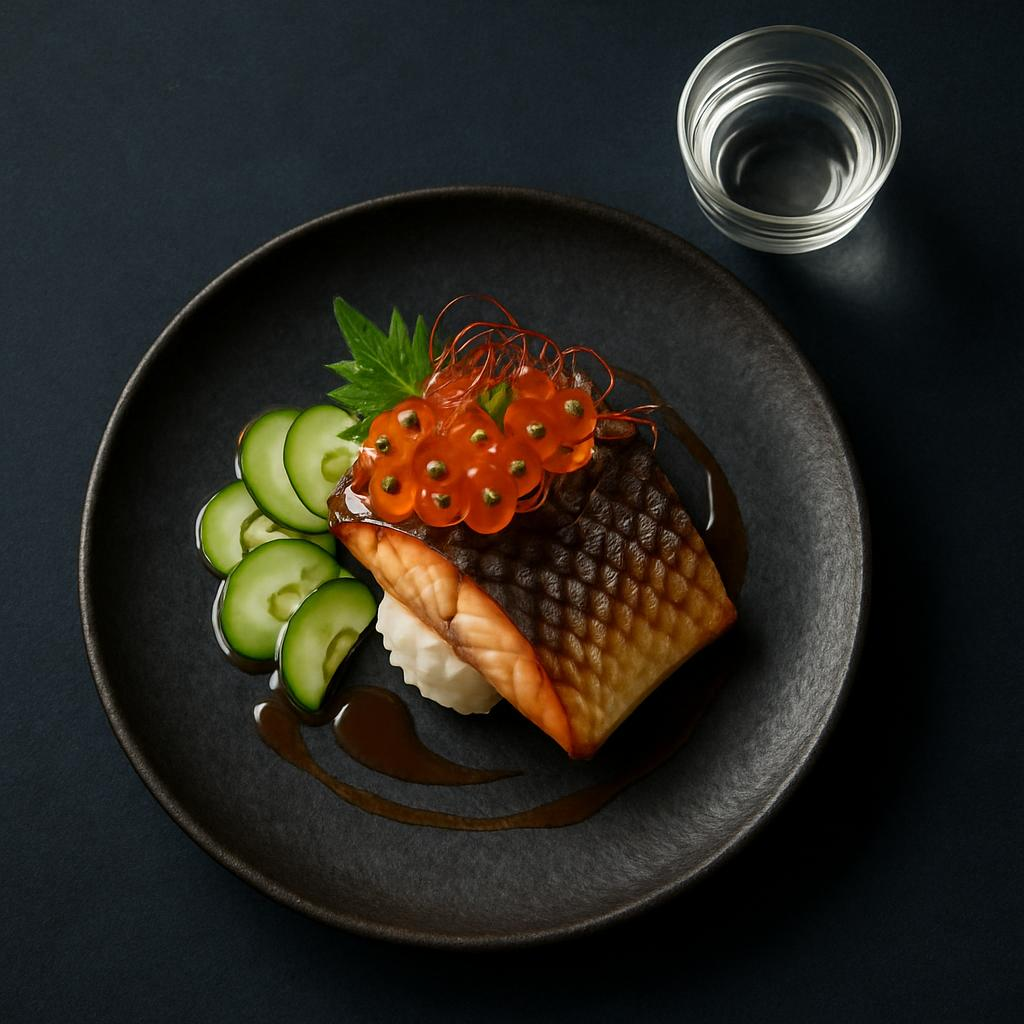
Guests often expect pairings to work like strict arithmetic. Light dish, light pour. Rich dish, rich pour. That logic helps, but it is not enough.
Texture matters as much as flavor
A pairing can succeed because both sides share intensity, but it can also succeed because one side changes how the other is perceived.
Consider:
- A bright sake that resets the palate after a richer bite.
- A deeper, savory pour that turns a delicate dish more expansive.
- A final pairing that lingers longer than either the plate or the glass would alone.
The aim is not agreement at every step. It is momentum.
Designing a full arc
When a menu is paced well, guests feel the progression even if they cannot name it. That is the real target of a pairing menu: not isolated moments, but an evening with a shape.